
تم التحديث: 7 سبتمبر 2026
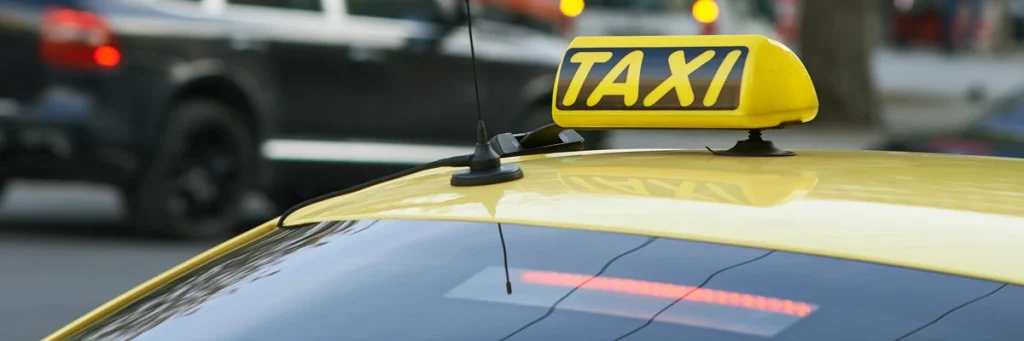
تبدأ أجرة سيارة أجرة في بوينس آيرس عدادها بسعر 1,920 بيزو أرجنتيني، وتضيف 192 بيزو أرجنتيني لكل 200 متر يتم قطعها، مما يعادل 960 بيزو أرجنتيني لكل كيلومتر. بسعر سبتمبر 2026 تقريبًا، حيث يعادل 1,500 بيزو لدولار واحد، فإن ذلك يبلغ حوالي 0.64 دولار أمريكي لكل كيلومتر. رحلة مدتها خمسة كيلومترات عبر وسط المدينة تكلف حوالي 6,720 بيزو أرجنتيني، أي ما يقرب من 4.50 دولار أمريكي. بين الساعة 22:00 والساعة 06:00، يتحول العداد إلى تعريفة ليلية وتكلف نفس الرحلة حوالي 8,050 بيزو أرجنتيني. هذه هي الأسعار التي نشرتها الهيئة التنظيمية للخدمات العامة في المدينة، وهي الأسعار الوحيدة المطبقة قانونًا داخل المدينة المستقلة.
أسعار سيارات الأجرة في بوينس آيرس بالأرقام
- بدء العداد، نهارًا (06:00–22:00): 1,920 بيزو أرجنتيني، يعادل عشرة "فيشا"
- "فيشا" (وحدة تعريفة)، نهارًا: 192 بيزو أرجنتيني لكل 200 متر، أو لكل دقيقة توقف
- السعر الفعلي نهارًا: 960 بيزو أرجنتيني لكل كيلومتر، حوالي 0.64 دولار أمريكي
- بدء العداد، ليلاً (22:00–06:00): 2,300 بيزو أرجنتيني
- "فيشا" (وحدة تعريفة)، ليلاً: 230 بيزو أرجنتيني، بما يعادل 1,150 بيزو أرجنتيني لكل كيلومتر، حوالي 0.77 دولار أمريكي
- أمتعة إضافية: 960 بيزو أرجنتيني لكل قطعة إضافية
- يتم نقلها مجانًا: أمتعة يدوية بالإضافة إلى حقيبة واحدة حتى 90 × 40 × 30 سم
- رحلة نموذجية من وسط المدينة إلى باليرمو (6 كم): 7,680 بيزو أرجنتيني، حوالي 5.10 دولار أمريكي
- وقت الانتظار: يتم احتسابه بسعر "فيشا" واحد لكل دقيقة أثناء توقف السيارة
- الدفع في الشارع: بيزو نقدًا، أوراق نقدية صغيرة
- سعر الصرف المرجعي المستخدم هنا: 1 دولار أمريكي = 1,500 بيزو أرجنتيني (4 سبتمبر 2026)
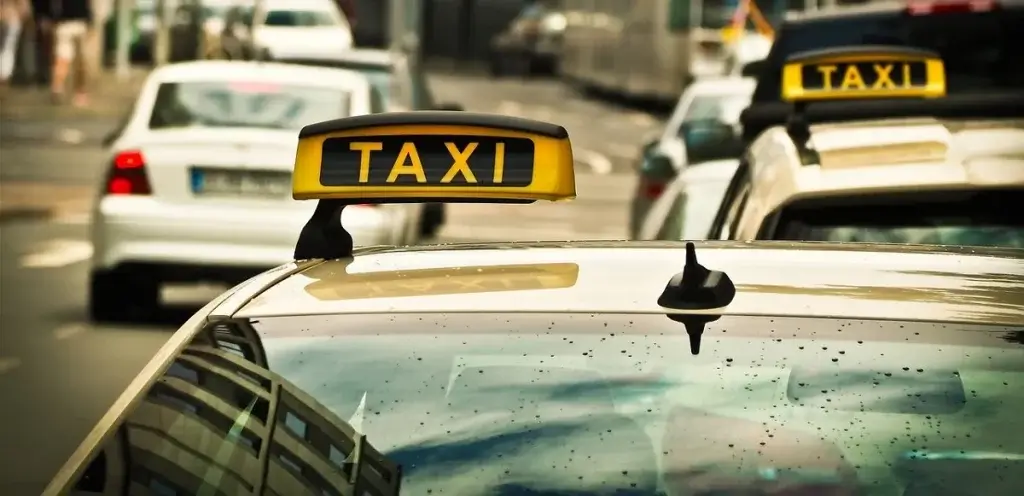
هذه الأرقام لها أهمية أكبر في الأرجنتين مما هي عليه في أماكن أخرى. تقوم المدينة بتحديث أسعار البيزو عدة مرات في السنة التضخمية، لذلك غالبًا ما يكون السعر المذكور في دليل سفر أو على موقع منافس قديمًا بسنة ويبدو أقل من اللازم. الحسابات أدناه مبنية على التعريفة المنشورة بدلاً من الأجرة المذكورة، مما يعني أنه يمكنك إعادة حساب أي مسار بنفسك بمجرد تغيير السعر. سيارات الأجرة السوداء والصفراء تعمل بالعداد، وهي متوفرة بكثرة، وبمقاييس معظم العواصم، فهي رخيصة بشكل ملحوظ. العادات التي تربك الزوار نادرًا ما تتعلق بالسعر الموجود على العداد. إنها تتعلق بالنقد، وفائض المال، ومعرفة الرحلات التي تعمل بالعداد في المقام الأول.
كم تكلفة سيارة الأجرة في بوينس آيرس؟
يطبق الجدول أدناه الصيغة المنشورة على المسارات الشائعة في المدينة. المسافات هي مسافات الطرق، وليس خطوط مستقيمة، وكل رقم يفترض حركة مرور حرة بدون وقت توقف على العداد.
| المسار | كم تقريبًا | النهار (بيزو أرجنتيني) | النهار (دولار أمريكي) | الليل (بيزو أرجنتيني) |
|---|---|---|---|---|
| Obelisco → Puerto Madero | 1.5 | 3,360 | 2.25 | 4,025 |
| Obelisco → San Telmo | 2.5 | 4,320 | 2.90 | 5,175 |
| Obelisco → Recoleta | 3 | 4,800 | 3.20 | 5,750 |
| Palermo → Villa Crespo | 3.5 | 5,280 | 3.50 | 6,325 |
| Recoleta → Palermo Soho | 4 | 5,760 | 3.85 | 6,900 |
| Obelisco → La Boca | 5 | 6,720 | 4.50 | 8,050 |
| Obelisco → Palermo Soho | 6 | 7,680 | 5.10 | 9,200 |
| Obelisco → Aeroparque (AEP) | 8 | 9,600 | 6.40 | 11,500 |
| Obelisco → Belgrano | 9 | 10,560 | 7.05 | 12,650 |
اعتبر هذه الأسعار بمثابة الحد الأدنى وليس وعدًا. عشر دقائق عالقًا في شارع أفينيدا 9 دي يوليو تضيف 1,920 بيزو أرجنتيني إلى الأجرة النهارية، والتي قد تكون في رحلة قصيرة أكثر من رسوم المسافة نفسها. هذا ليس سائقًا يضخم السعر، بل التعريفة تعمل كما هي مكتوبة.
كيف يعمل عداد سيارات الأجرة في بوينس آيرس؟
تتكون الأسعار من وحدة تسمى فيشا. يبدأ العداد بعشر فيشات بالفعل، وهي بايادا دي باندا، ثم يضيف فيشا واحدة لكل 200 متر يتم قطعها أو كل دقيقة تقضيها السيارة متوقفة. يتم احتساب المسافة والانتظار من نفس العداد، وليس كلاهما في وقت واحد، لذا فإن سيارة الأجرة التي تزحف للأمام في حركة المرور تتراكم على أي من القياسين يتحرك حاليًا.
تعريفة الليل ليست نسبة مئوية تضاف في النهاية. تتغير قيمة الفيشا نفسها من 192 بيزو أرجنتيني إلى 230 بيزو أرجنتيني بين الساعة 22:00 والساعة 06:00، لذا ترتفع كل من رسوم فتح العداد ورسوم التشغيل معًا، بحوالي عشرين بالمائة عبر الرحلة بأكملها. الرحلة التي تبدأ في الساعة 21:50 وتنتهي في الساعة 22:20 يتم احتسابها بالسعر الساري وقت تشغيل العداد، وهذا هو سبب ظهور أسعار وقت متأخر من المساء متضاربة أحيانًا للزوار الذين يقارنون الملاحظات.
كيف يمكنني تقدير أجرة قبل الركوب؟
اضرب عدد الكيلومترات في 960 وأضف 1,920. هذا السطر الواحد يغطي تقريبًا كل رحلات النهار داخل المدينة. أما بالنسبة لرحلة ليلية، فاضرب في 1,150 وأضف 2,300 بدلاً من ذلك. تقدير تقريبي للمسافة من أي تطبيق خرائط يكفي، لأن المبلغ يهيمن عليه الشحن لكل كيلومتر لأي شيء أطول من حوالي كيلومترين.
التقدير جيد في الشوارع الواسعة وسيء في شوارع وسط المدينة المزدحمة بعد الظهر في أيام الأسبوع، حيث يمكن أن يضيف وقت الانتظار ثلث الإجمالي. إذا اختلف رقمك عن العداد بأكثر من حوالي عشرين بالمائة على طريق خالٍ، فقد حدث خطأ ما في المسار بدلاً من التعريفة، والحل هو الإشارة إلى ذلك في حينه بدلاً من الوصول إلى الوجهة.
ما الذي يرفع الأجرة فوق التقدير؟
- وقت التوقف. فيشا واحدة في الدقيقة، وهي أكبر مصدر مفاجئ في الرحلات المركزية القصيرة.
- التعرفة الليلية. تُطبق من الساعة 22:00 إلى 06:00، بما في ذلك رسوم البدء.
- الأمتعة الإضافية. 960 بيزو أرجنتيني لكل قطعة تتجاوز الحد المجاني للأمتعة المحمولة وحقيبة واحدة.
- رسوم المرور. تُمرر للراكب في المسارات التي تستخدم الطرق السريعة، والتي تؤثر بشكل أساسي على الرحلات المتجهة إلى المطارات أو الضواحي الشمالية.
- مغادرة المدينة. الرحلات خارج حدود المدينة المستقلة بدون أجرة عودة قد تحمل رسومًا إضافية تغطي المشوار الفارغ للعودة، ويتم الاتفاق عليها قبل المغادرة.
الإكراميات ليست جزءًا من الحساب. الأرجنتينيون عمومًا يقربون المبلغ إلى ورقة نقدية مناسبة ويتركونها، ولن يتوقع أي سائق نسبة مئوية.
كيف أدفع، وهل أحتاج إلى نقود؟
تعمل سيارات الأجرة في الشوارع بالدفع النقدي. احمل البيزو بفئات صغيرة، لأن السائق في بداية ورديته قد لا يتمكن بالفعل من فك ورقة نقدية بقيمة 20,000 بيزو، ويتحول تبادل العملات إلى مشكلة لا تحتاج إليها. تقبل بعض السيارات الآن البطاقات أو التحويل عبر رمز الاستجابة السريعة من خلال Mercado Pago، ولكنها ليست موثوقة بما يكفي للاعتماد عليها، والسؤال قبل الانطلاق لا يكلف شيئًا.
يلغي الحجز عبر تطبيق ما هذه المسألة تمامًا، حيث يتم خصم الأجرة من البطاقة المسجلة. إذا كنت تصل إلى البلاد وتحاول معرفة كيفية الاحتفاظ بالبيزو على الإطلاق، فإن دليلنا حول الدفع في الأرجنتين يغطي صرف العملات والبطاقات والأوراق النقدية الجديرة بالحمل.
هل أوبر وكابيفاي وديدي أرخص من سيارات الأجرة؟
عادةً لا تكون أرخص، ولكنها أكثر قابلية للتنبؤ. تعمل أوبر وكابيفاي وديدي جميعها في بوينس آيرس، وجاذبيتها هي السعر الثابت الذي يظهر قبل قبولك، والدفع بالبطاقة، وعدم وجود أي محادثة حول المسار. على طريق واضح، يميل سعر التطبيق وسعر العداد إلى أن يكونا في حدود بضع مئات من البيزو. في حركة المرور الكثيفة، غالبًا ما يكون التطبيق هو الصفقة الأفضل، لأن الأجرة تم الاتفاق عليها قبل الازدحام.
تغير وضعها القانوني في مايو 2026، عندما قضت محاكم بوينس آيرس بأنه يجب على سائقي التطبيقات حمل نفس الترخيص المهني وتأمين الركاب مثل سائقي سيارات الأجرة، مع فترة سماح للامتثال. كان التأثير العملي على الركاب ضئيلًا حتى الآن، على الرغم من أن الإمدادات يمكن أن تتناقص في أوقات الذروة. يحتفظ معظم السكان بكلا الخيارين متاحين ويأخذون أيهما أقرب.
أين أجد سيارة أجرة، وكم مدة الانتظار؟
يشير ضوء Libre المضاء في الزجاج الأمامي إلى أن السيارة متاحة. في أي شارع رئيسي، ستتمكن عادةً من إيقاف سيارة أجرة في غضون خمس إلى عشر دقائق في الأوقات العادية. تنتظر طوابير سيارات الأجرة خارج محطات السكك الحديدية والفنادق والتقاطعات الكبيرة إمدادًا ثابتًا، وسيقوم موظفو الفندق بالاتصال بسيارة أجرة لاسلكية إذا كنت تفضل عدم الوقوف في الشارع.
هناك لحظتان أصعب. يؤدي المطر إلى تفريغ الشوارع من سيارات الأجرة المجانية على الفور تقريبًا، والساعة التي تسبق منتصف الليل أو تليه في ليلة الجمعة أو السبت يمكن أن تجعلك تنتظر. كلتاهما هما الوقتان اللذان يثبت فيهما التطبيق قيمته.
كيف أتجنب دفع مبلغ مبالغ فيه؟
الخطر الواقعي في بوينس آيرس ليس الخطر بحد ذاته، بل هو أجرة مبالغ فيها، ويقع معظمها على الركاب الذين يبدون غير متأكدين. أربع عادات تزيل معظم هذا الخطر.
- تأكد من أن العداد يعمل وتمت إعادة ضبطه عند الانطلاق. السائق الذي يقتبس سعرًا ثابتًا لرحلة داخل المدينة يقدم شيئًا لا يسمح به التعريفة.
- اعرف تقريبًا إلى أين أنت ذاهب. اللفة غير الضرورية تكون واضحة على خريطة الهاتف، وقول ذلك مبكرًا ينهيها.
- انتبه إلى فكة نقودك. تبديل ورقة نقدية بأخرى ذات قيمة أقل هي خدعة قديمة لا تزال تظهر، وعد النقود التي يعيدها السائق أمامك يكفي لمنعها.
- فضل سيارة الأجرة اللاسلكية أو التطبيق بعد حلول الظلام، عندما يتم تسجيل الرحلة ضد حجز.
نفس المبادئ مهمة أكثر في رحلة المطار، حيث تكون المبالغ أكبر. يغطي دليلنا حول خدع سيارات الأجرة في إيزيزا الأساليب المحددة المستخدمة في قاعة الوصول.
متى تكون سيارة الأجرة خيارًا خاطئًا؟
بالنسبة للرحلات على طول خط مترو أنفاق واحد خلال ساعة الذروة، يتفوق المترو على سيارة الأجرة بفارق كبير من حيث الوقت، وتشكل الأجرة جزءًا بسيطًا منه. خط D بين المركز وباليرمو هو أوضح مثال، حيث يمكن لسيارة الأجرة أن تستغرق ثلاثة أضعاف الوقت مقابل عشرين ضعف السعر. تصل الحافلات إلى كل مكان تقريبًا لا يصل إليه المترو، على الرغم من أن كلاهما يحتاج إلى بطاقة SUBE، والتي تستحق الشراء في يومك الأول من أي كشك.
تتفوق سيارات الأجرة في أواخر الليل، وفي الرحلات التي تحمل أمتعة، وفي أي مسار يتطلب تغييرين، وفي المطر. تخسر في الخطوط المستقيمة على طول خط مترو أنفاق خلال ذروة أيام الأسبوع.
هل تنطبق هذه الأسعار على رحلة المطار؟
لا، وهذا هو التمييز الذي يربك معظم الزوار. تفرض أجرة المدينة المحددة بالمقياس الرحلات داخل المدينة المستقلة. يتم بيع الرحلة من إيزيزا، على بعد 32 كيلومترًا وحوالي 50 دقيقة في حركة المرور العادية، بسعر ثابت تم الاتفاق عليه في كاونتر في قاعة الوصول قبل السفر، وتشمل رسوم المرور. نشرت Cooperativa Taxi Ezeiza هذه الأجرة بحوالي 60,000 بيزو أرجنتيني، أي حوالي 40 دولارًا أمريكيًا، اعتبارًا من يوليو 2026.
يقع مطار إيرو باركي على بعد حوالي 8 كيلومترات من الأوبليسك وهو قريب بما يكفي لأن سيارة الأجرة المحددة بالمقياس في المدينة طبيعية هناك، ولهذا السبب يظهر في الجدول أعلاه. للحصول على الصورة الكاملة عن المطار الدولي، انظر صفحاتنا حول سيارات أجرة مطار إيزيزا، و حول الانتقال من المطار إلى وسط المدينة، و حول الانتقال بين المطارين إذا كنت تقوم بالربط.
كيف تحققنا من هذه الأرقام
يتم أخذ رسوم بداية الرحلة، وقيمة العداد، وساعات الليل، ورسوم الأمتعة من التعريفة المنشورة من قبل هيئة تنظيم الخدمات العامة لمدينة بوينس آيرس، وهي الهيئة التي تحدد أسعار سيارات الأجرة للمدينة المستقلة. يتم حساب كل أجرة في جدول المسار من تلك التعريفة بدلاً من اقتباسها من موقع آخر، باستخدام مسافات الطرق بين المعالم المذكورة وافتراض عدم وجود وقت توقف. تستخدم المعادلات بالدولار سعر الصرف 1 دولار أمريكي = 1500 بيزو أرجنتيني، وهو السعر بتاريخ 4 سبتمبر 2026. الأجرة الثابتة لإيزيزا هي الرقم الذي نشرته جمعية تاكسي إيزيزا التعاونية في يوليو 2026. نظرًا لأن سعر البيزو يتغير، فإن الطريقة هي الجزء الدائم من هذه الصفحة. أعد الحساب بقيمة العداد الحالية وستحصل على إجابة دقيقة بعد فترة طويلة من تقادم الأرقام المذكورة أعلاه.
يتم الإجابة على الأسئلة التي يطرحها الزوار غالباً عن سيارات الأجرة في المدينة، والتي تم حلها بنفس الحسابات، في قسم الأسئلة الشائعة أدناه.
 العربية
 English (UK)
 Français
 Deutsch
 Русский
 Українська
 Türkçe
 Polski
 Español
 Italiano
 中文
中文 Ελληνικά
 日本語
日本語 한국어
한국어 Čeština
 Português