
Updated: July 13, 2026
The short answer for 2026
If you visited Argentina before 2024 you probably remember the drill: bring a thick stack of US dollars, change them on the street for the "blue" rate, and avoid your card at all costs. That advice is now out of date. Since the government lifted most currency controls in April 2025, the official, MEP and blue-dollar rates have converged to within a few percent of each other, and a foreign card is no longer the expensive option it once was.
For most visitors in 2026 the practical answer is simple: pay by card for almost everything, carry a modest amount of cash for small or card-averse vendors, and stop worrying about the street rate. The rest of this guide explains why, and where the old rules still leave a trap or two.
What changed: the end of the "cepo"
For roughly six years Argentina ran a web of currency controls known as the "cepo", which created a wide gap between the official exchange rate and the parallel "blue" rate you got on the street. In April 2025 the Milei government dismantled most of those controls. As reporting from the Buenos Aires Herald noted in early 2026, the gap between the rates fell to around 4 percent — a record low — compared with the 50 percent or wider spreads seen in 2023. In practical terms there is now effectively one rate that matters, close to the market rate, wherever you change money or spend.
Cards: foreign Visa and Mastercard now get the MEP rate
This is the change that matters most to travellers. When you pay with a foreign Visa or Mastercard in Argentine pesos, the transaction is now settled at the MEP ("dólar bolsa") rate, which sits right alongside the blue rate. That means tapping your card in a restaurant gives you essentially the same value that handing over street cash once did, without the risk of counterfeit notes or a bad count.
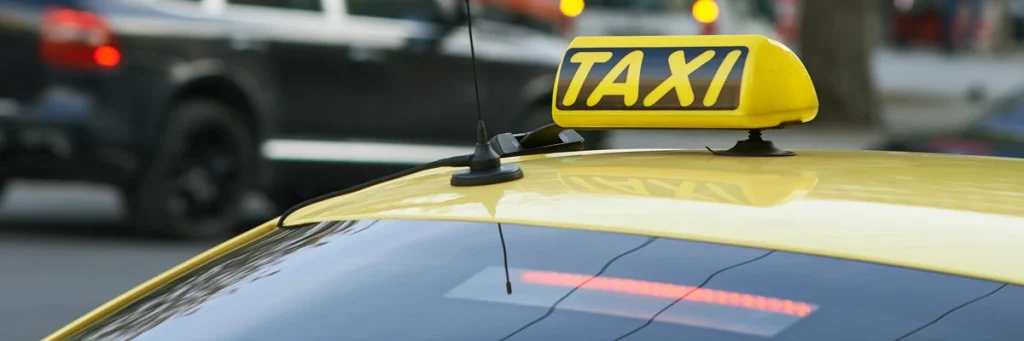
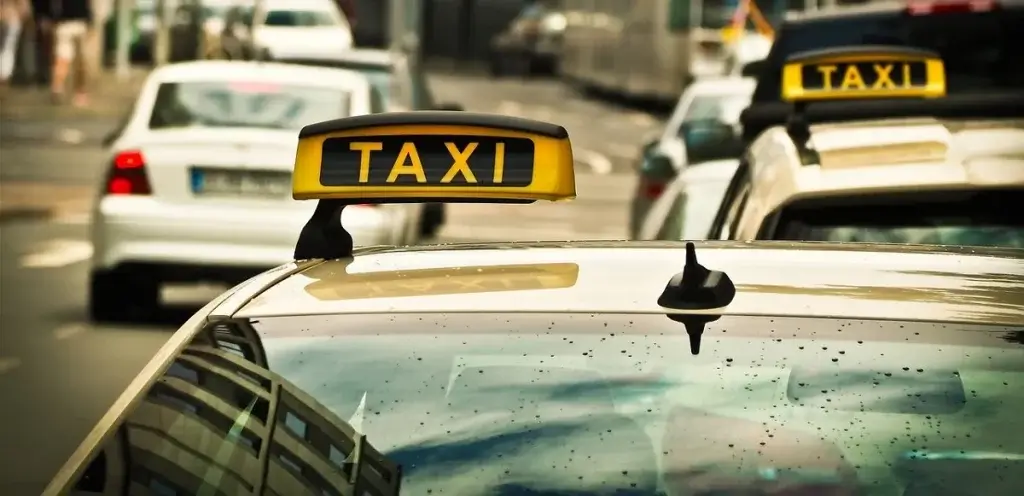
Use a card with no foreign-transaction fee to keep the full benefit, and always choose to be charged in pesos rather than your home currency when a terminal offers the choice — accepting "dynamic currency conversion" hands the good rate back to the payment processor. Cards are accepted across hotels, restaurants and shops in Buenos Aires; the places that still prefer cash are small kiosks, some taxis, markets and tips. Contactless and mobile wallets work in the same places a physical card does, so a phone tap is usually enough for day-to-day spending in the city once your card is set up for travel.
Cash: do you still need it?
You need less than you used to, but not none. A modest amount of pesos covers the situations where cards do not reach: a neighbourhood café, a market stall, a cash-only remise, or a tip. You do not need to arrive with hundreds of dollars to change. Tipping is one of the most common cash moments — around 10 percent in a restaurant is customary, and it is often left in cash even when you settle the bill by card.
If you do need to change a little on arrival, EZE has a Banco de la Nación counter in the arrivals hall, and now that the rates have converged it is fine for the small amount it takes to reach the city. Keep larger exchanges for downtown — a dedicated guide to changing money at the airport itself is coming separately.
Surcharges: a domestic matter, not a tourist one
One point causes a lot of confusion, so it is worth being precise. The surcharges Argentina has applied to card spending in foreign currency target Argentine residents' spending abroad, and those rules have been shifting through 2025 and into 2026. None of that lands on you as a visitor: a card issued outside Argentina, used inside Argentina, is billed in pesos at the market (MEP) rate, with no special tourist surcharge. Treat the resident-surcharge debate as background for locals, not something to plan your trip around.
Using ATMs in Argentina
ATMs are the other way to get pesos, and they have their own quirks. They dispense local currency at the card networks' rate, which now tracks the market closely, so the value is reasonable. The catch is mechanical rather than political: many Argentine machines impose a relatively low cap per withdrawal and add a fixed fee each time you take money out. Withdraw the maximum the machine allows in one go, rather than several small amounts, so that the per-withdrawal fee is spread across more pesos.
Use machines inside banks or shopping centres during the day where you can. Decline the machine's offer to "convert" the amount to your home currency, for the same reason you decline it on a card terminal — the conversion is never in your favour.
What about bringing US dollars in cash?
You can still bring dollars, and a few crisp, clean US$100 bills make a sensible emergency reserve. The reason to do it has changed, though. It is no longer about beating the official rate, because that advantage has mostly disappeared; it is simply a backup for the rare moment a card will not work and an ATM is out of reach. Damaged or marked notes are sometimes refused, so bring them in good condition if you bring them at all.
At the airport: paying for your ride
Your first payment usually happens minutes after you land, for the trip into the city. The official taxi counters and most private transfer operators accept cards, so you do not need local cash in hand the moment you arrive. Booking ahead removes even that small friction: a pre-paid EZE airport transfer is settled before you travel, and the official Ezeiza airport taxi counters quote a fixed fare you can usually pay by card. For the layout of the hall where those counters sit, see our Buenos Aires airport arrivals guide.
Practical tips
- Bring a no-foreign-fee card as your main payment method and a backup card from a different network.
- Always pay in pesos, never in your home currency, at the card terminal.
- Change only a small amount at the airport; do the rest in the city if you need cash at all.
- Keep some small-denomination pesos for taxis, tips and kiosks.
- Tell your bank you are travelling so a first peso charge is not flagged and blocked.
Frequently asked questions
Is the blue dollar still worth chasing in 2026?
Not really. With the gap near a few percent, the effort and risk of street cash rarely beats simply paying by card at the MEP rate.
Will my foreign card be charged an extra surcharge?
No. Argentina's card surcharges target residents spending abroad; a foreign card used inside Argentina is billed in pesos at the market (MEP) rate.
Should I exchange money at EZE airport?
Only a small amount. The Banco Nación counter is fine for getting into the city now that rates have converged; keep larger exchanges for downtown.
Do I need cash at all?
A little. Cards cover most spending, but small vendors, some taxis and tips still want pesos.
Last reviewed June 2026. Exchange rates and currency rules in Argentina change quickly — confirm the current situation with your bank and a recent source before you travel. This is general information, not financial advice. Sources: Buenos Aires Herald — exchange-rate gap; Buenos Aires Herald — foreign card / MEP rate; KPMG — relaxation of Argentina's exchange-market access (2025).




 English (UK)
 Français
 Deutsch
 Русский
 Українська
 Türkçe
 Polski
 Español
 Italiano
 العربية
 中文
中文 Ελληνικά
 日本語
日本語 한국어
한국어 Čeština
 Português